
What Should You Do After a Shoulder Injury at Work?
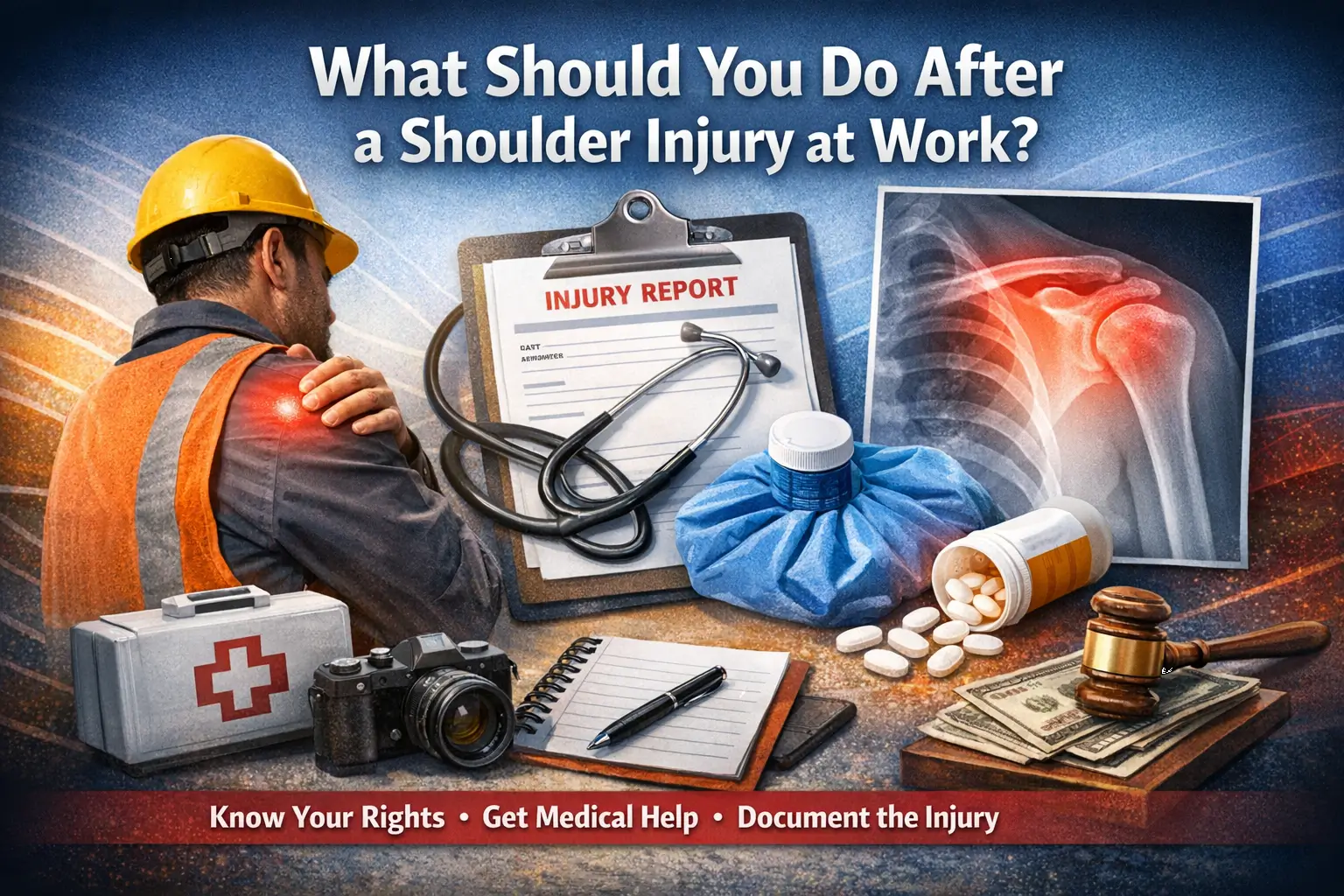
Extending the recent trend into 2025, private‑sector employers in the United States are expected to report roughly 2.4 million non‑fatal workplace injuries and illnesses, reflecting a continued, though gradual, improvement in workplace safety performance. It is on record that workplace safety has been considerably improved, but very much is still required to prevent accidents and injuries at the workplace.
It is difficult to have on-the-job shoulder injuries. One needs to discover a way to alleviate the situation and ease the burden on the body and finances.
Let’s look at the steps one should undertake after sustaining shoulder injuries at the workplace.
What to Do Immediately After a Shoulder Injury at Work?
There are several ways an individual develops injuries, and it’s very common to get them from repetitive trauma from work duties, according to Los Angeles workplace injury lawyer Christopher J. Canlas. It is critical that all these steps be taken into account quickly and correctly when the shoulder sustains an injury at work.
Stop when you are in pain. Try to find what is causing it. Do not stand up to move when you are in extreme pain. Put some ice on your shoulder to bring down inflammation, and let it remain there for 15 minutes. The hand should not be moved into or initiated to lift anything at all.
A pillow or bolster will provide support to your arm.
Prompt medical attention must be directed in cases without any improvement or where visible clues like swelling or bruising are present.
Tell your manager about the incident that occurred. A report of the incident is important to your health and safety.
Document Your Shoulder Injury for Future Reference
After immediate care for the injured shoulder, you should begin to document the incident quickly. Such documentation does act as a good reference point for future legal battles.
Describe all of the events that occurred. Give a detailed narration of the day and the time of the injury. Mention the witnesses by their names. Seek permission from them if you are planning to use their statements as evidence.
It is important to photograph the injury. Take some photographs of the scene for corroboration purposes. Keep a record of all treatments administered. Visit the hospital or medical professional. Follow any therapy you would have been ordered to undertake.
It is really important that you keep a copy of the medical records and accident-related receipts. These papers are needed publicly for further claims and discussions of damages or compensation. Through these records, one can have knowledge of what truly happened and its consequences.
Know Your Rights for Shoulder Injury Workers’ Compensation
Workers are entitled to various employment rights.
If you sustain an injury during working hours that relates to your job, you have the right to request medical assistance. The expenses for treating your injury should be covered by the employer’s workers’ compensation insurance.
You are provided the right to file an injury claim without worrying about retaliation. In case of wage loss resulting from work inability, you are entitled to receive wage loss benefits. These benefits can help you compensate for lost income.
You may also initiate vocational rehabilitation if necessary. This benefit will help you return to employment.
One must know the legal deadlines for filing a claim. Do not wait before taking action. Knowing what your rights are will help you get the benefits you are expecting and recover.Workplace injuries can take many forms, from sudden physical trauma to long‑term exposure to hazardous materials. If your work involves construction or older buildings, it’s also worth learning about asbestos‑contaminated vermiculite exposure and how workers’ compensation applies in such cases.
For a detailed guide, see Jobsite Risk and Workers’ Comp: How to Handle Vermiculite (Asbestos) Exposure by our author Jack Grabovski.
Follow Your Doctor’s Treatment Plan
You are extremely likely to get the most recovery you can if you stick with every part of your doctor’s plan for getting over having the injured shoulder. To get well, you have the responsibility of taking the prescribed medicines and performing the recommended exercises.
Attendance and acceptance of everything passed on by your health professional will help you achieve a successful recovery. Whenever pain or discomfort is felt, the doctor must be informed immediately. Changes may occur in the regimen adopted for you, for better or for the worse, to facilitate recovery.
Abide by the activity restrictions advised upon you. There’s no point in trying too hard, as any such measure will only cause a setback. Strive to achieve your main goals, which are healing and regaining the ability to move your shoulders.
Communicate With Your Employer About Your Injury
Be honest with yourself and the employer about the condition. Transparency provides an employer the opportunity to understand the limitations and symptoms of your injury.
Documentation is important so that conversations and dates can be recorded. If there is a need to arrange for workplace accommodations that cater to shoulder injuries, the request should surely be communicated directly to the employer.
Sometimes, employers have a specific way of treating workplace injuries. Go through your employer’s directives on shoulder injuries. Maintaining transparent communication facilitates a healthy working environment and allows one to gain better support for recovery.
Consider Rehabilitation and Safe Return-to-Work Options After Recovery
Consider the benefits of appropriate rehabilitation and return-to-work assistance.
Beginning the process of conservative management and a safe return-to-work as soon as possible after an injury will play an important role in your overall well-being.
Workers can talk to their medical provider or another trusted person about devising an action designed to meet their unique needs. Physical therapy helps rebuild strength and flexibility. This therapy allows you to return to employment after a specific period.
Returning to work can be done once the individual reaches a point where he or she feels a substantial improvement in his or her condition. Employers can present a transitional work offer or allow you to gradually transition into part-time work after a course of agreement and treatment.
Be upfront about what you can and cannot do. Keep in mind that putting health first is actually in your best interest while increasing your work productivity in turn.
By doing so, the few days back to work will be much smoother and free of risks.
It can be inconvenient to hurt your shoulder from doing work. You will feel burdened about the situation, wondering how long it will take to treat the injury. Immediate medical first aid will ease the uncomfortable pain at first but it will not be enough for full recovery.
In this case, it’s important to inform your employer about your situation. Know your rights concerning workers’ compensation benefits. This benefit will financially support your treatment.
Follow your physician’s prescribed treatment plan in all activities. Choose treatments that mobilize your shoulder effectively as your health gradually improves. The improvement in your health will build strength and bring back your confidence.