
Why More Companies Base Regional Operations in Dubai
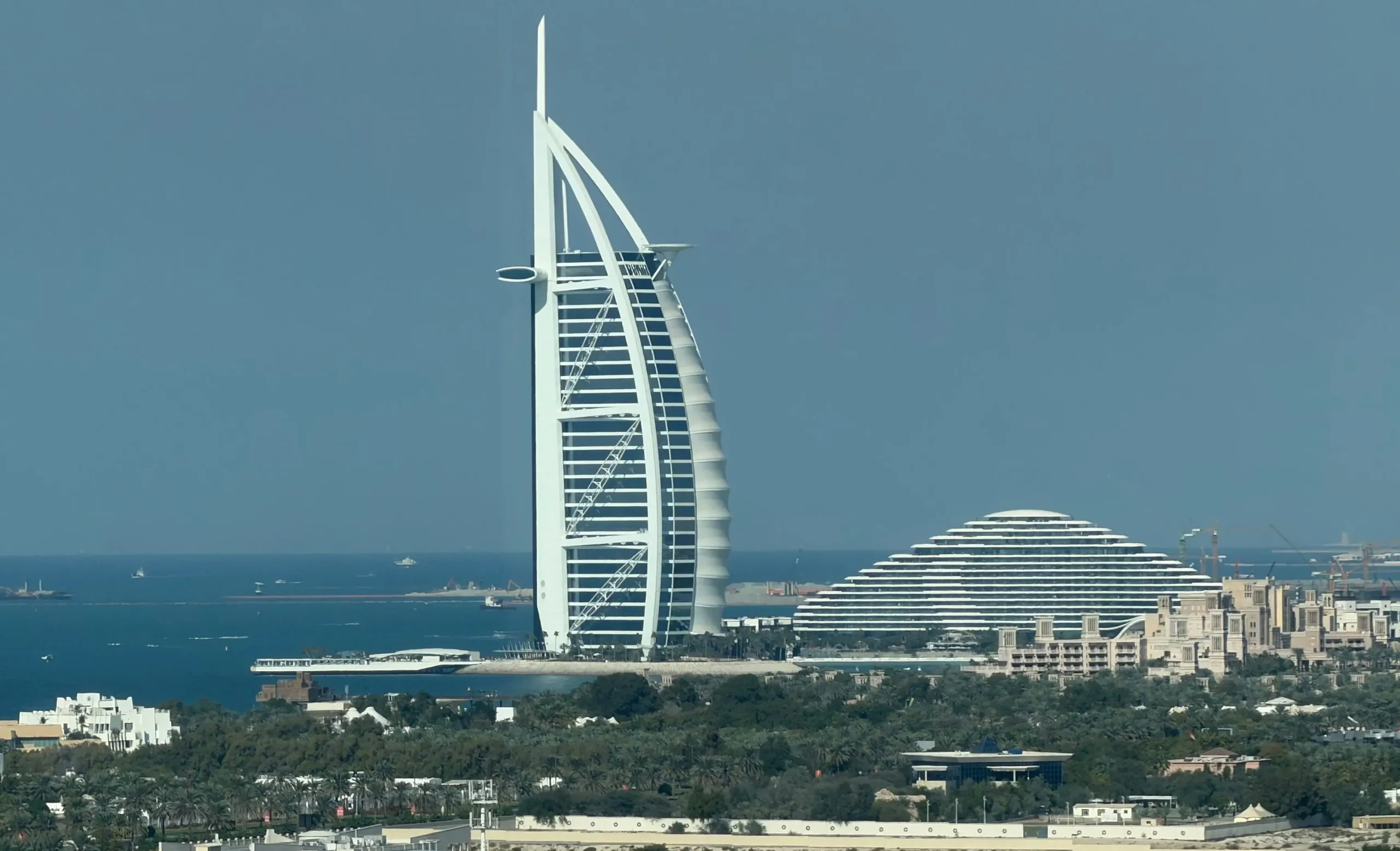
The decision usually starts with a map problem.
A company selling into Europe, Africa, and Asia needs somewhere to run the middle of that triangle from. Historically that meant picking one and accepting the compromise: a London office that’s asleep when Singapore is working, or a Singapore office six hours out of step with Frankfurt.
Dubai solves that geometry in a way few other cities do. Its working day overlaps meaningfully with both the Asian morning and the European afternoon, which is why so many regional roles end up anchored there.
That’s the starting point. What’s changed recently is everything built on top of it.
The Numbers Behind the Shift
The growth isn’t anecdotal.
The Dubai International Financial Centre reached 10,018 active registered companies by mid-2026, up 30% in twelve months, with 2,318 new firms added in that period alone. AI, fintech, and innovation firms grew fastest at 39%.
That’s one free zone. Dubai has more than twenty, each with its own licensing regime and sector focus, which is part of why the setup decision is less straightforward than the marketing suggests.
The tax picture explains part of the pull, though not as simply as the headlines suggest. UAE corporate tax runs at 0% up to AED 375,000 of profit and 9% above it. A free zone license does not automatically deliver 0% beyond that threshold. Companies have to qualify as a Qualifying Free Zone Person, which requires demonstrated substance, qualifying activities, transfer pricing documentation, and audited accounts, re-justified annually.
This matters for anyone building a business case. The advantage is real, but it isn’t automatic, and structuring it properly is a project in itself. Below a certain profitability, the cost of maintaining a compliant structure can absorb most of the expected saving.
The High End Luxury Properties Question Nobody Budgets For
Here’s the part that catches operations leads by surprise.
Standing up a regional office means relocating senior people. Those people arrive with families, school requirements, and firm expectations about where they’ll live. Housing turns out to be the single largest variable in whether a relocation succeeds or quietly falls apart.
Dubai’s rental market has moved sharply. Rents in prime areas like Dubai Marina and Downtown have risen 18–22% annually since 2023, with housing consuming 30–40% of most expat budgets. A family of four typically needs AED 20,000–35,000 monthly before school fees.
For senior hires, the calculation shifts again. Executive relocations tend to concentrate in a handful of areas where the housing stock is genuinely premium, and supply at that level is finite.
Developers like Binghatti have built substantially into this segment, with luxury Dubai listings spanning Business Bay, Downtown, and Dubai Marina among others. Running that search early rather than late is worth doing, because availability at the top end shapes what a relocation package actually has to cover.
Two practical implications follow.
First, housing allowances need benchmarking against current market rates, not last year’s. Most 2026 employers now consolidate housing into a fixed allowance, which quietly transfers rent inflation risk to the employee. That’s a retention risk if the numbers slip.
Second, whether the company buys or rents changes the math over a multi-year horizon. A regional office intended to run for a decade is a different property decision from a two-year market test.
There’s a softer point underneath both. Relocations rarely fail because someone disliked the job. They fail because the family didn’t settle, and housing sits at the center of that. Treating it as a line item to be squeezed tends to cost more in replacement hiring than it saves in allowance.
The Advantages Companies Actually Cite
Beyond tax and geography, three factors come up repeatedly.
Speed of setup. Free zone licensing can complete in days rather than months. For a company testing a regional strategy, that compresses the gap between decision and operation considerably.
Full foreign ownership. Free zone structures allow 100% foreign ownership without a local partner, removing a governance complication that used to shape entry decisions across the region.
Talent concentration. The expatriate professional base is deep and internationally mobile. Recruiting someone from London, Mumbai, or Johannesburg into Dubai is a materially easier conversation than recruiting them into most alternatives.
What Doesn’t Get Said Often Enough
A balanced assessment needs the other column too.
Dubai now ranks as the 15th most expensive city globally for expatriates on Mercer’s rankings, and the most expensive in the Middle East. The cost advantage relative to London or Singapore is narrower than it was five years ago, and it continues to compress.
Compliance overhead is also real. The free zone tax regime requires annual substantiation, audited statements, and transfer pricing documentation. That’s ongoing finance function work, not a one-time setup cost.
And there’s a strategic point worth naming plainly. Basing regional operations somewhere for tax reasons alone tends to age badly. Regimes change. The companies that have done well in Dubai generally had an operational reason to be there first, with the tax treatment as a supporting factor rather than the thesis.
How to Approach the Decision
If you’re evaluating this, a workable sequence looks like:
- Establish the operational case first. Does the time zone, flight connectivity, and market access genuinely serve your customers? If not, stop here.
- Model total cost, including people. Housing allowances, school fees, and relocation packages frequently exceed the tax saving in year one.
- Get structuring advice before committing. Whether you qualify for 0% depends on specifics worth confirming in advance.
- Scope the property question early. Both office space and senior housing, because both have long lead times at the premium end.
- Define what a two-year review looks like. Decide in advance what would tell you this was the right call, or the wrong one.
The companies making this work aren’t the ones chasing a headline tax rate. They’re the ones who had a genuine reason to be in the middle of the map, and then did the unglamorous work of costing it properly.